Physical Address
304 North Cardinal St.
Dorchester Center, MA 02124
Physical Address
304 North Cardinal St.
Dorchester Center, MA 02124

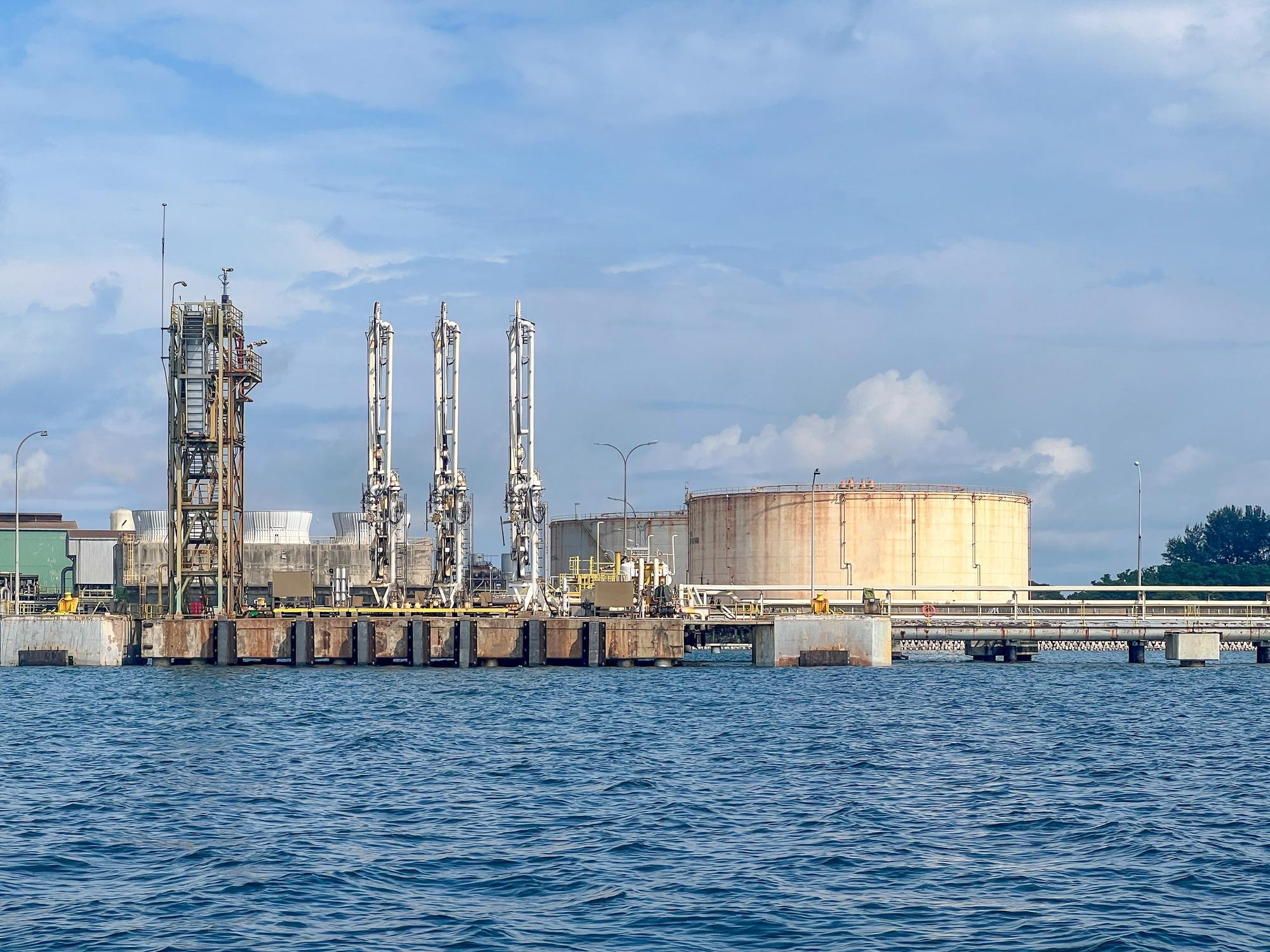
Expensive Fuel Is No Longer Just News — It’s Becoming a Household Problem
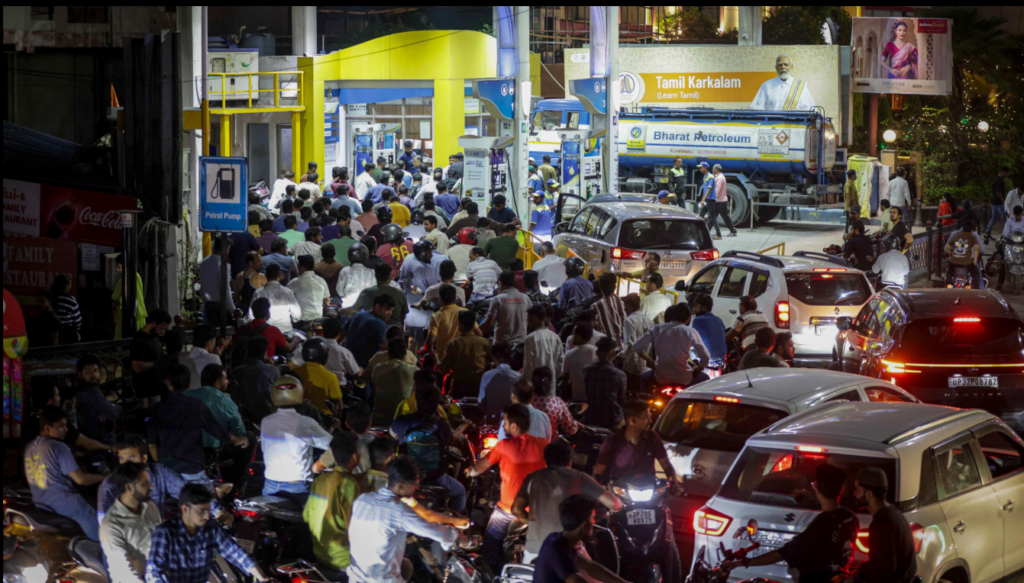
Imagine leaving for work in the morning and seeing petrol prices cross ₹130 per litre, LPG cylinder waiting periods increasing, and online grocery bills getting more expensive every month. At that point, the energy crisis is no longer just a headline — it becomes part of everyday life for ordinary Indian families.
In 2026, India is facing a serious oil and gas challenge. Rising tensions in West Asia, especially around the Iran–Israel conflict and the Strait of Hormuz, have disturbed global oil markets. For a developing country like India, the situation becomes even more risky because the nation imports nearly 85% of its crude oil requirements.
The impact of rising fuel prices is no longer limited to transportation. In cities like Mumbai and Delhi, cab fares are increasing, food delivery apps are adding surge pricing, flights are becoming more expensive, and farmers are struggling with rising diesel costs.
The energy crisis is no longer just an economic discussion. Its pressure is now directly reaching the monthly budgets of middle-class families.
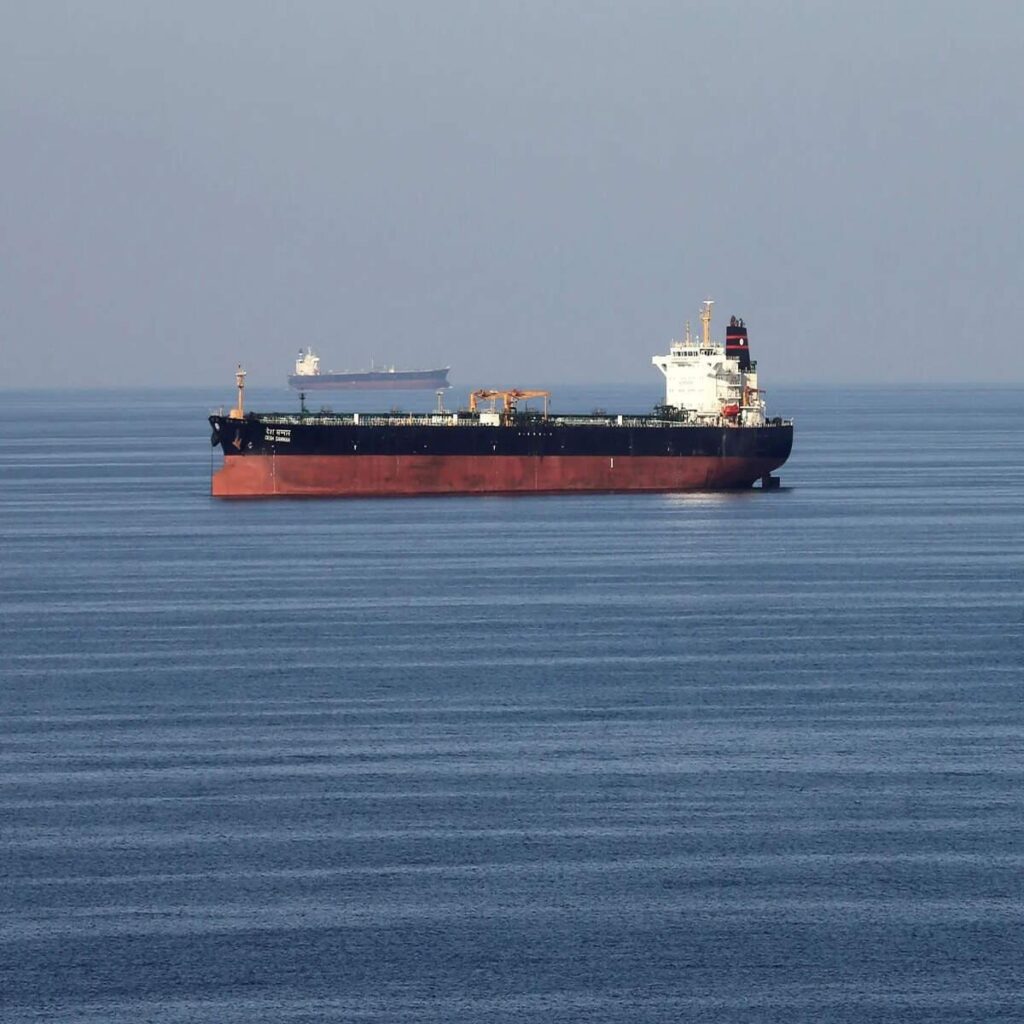
India is one of the world’s fastest-growing economies, but when it comes to fuel supply, the country remains heavily dependent on imports. A large portion of crude oil and LNG comes from the Middle East. That is why every geopolitical tension in West Asia creates direct pressure on India’s economy.
The Strait of Hormuz is one of the world’s most critical oil shipping routes. Any disruption there immediately affects crude oil prices and LNG supply chains. As a result, petrol and diesel become more expensive, transportation costs rise, and fuel inflation spreads across almost every sector.
A middle-class employee travelling 40–50 km daily is already spending thousands more every month on fuel. Small logistics companies and local transport operators are struggling to maintain profit margins.
Even restaurant owners are being forced to revise menu prices because of rising LPG costs.
Simply put, India cannot secure its future while remaining heavily dependent on imported fuel.
And the biggest question still remains — if global oil supply faces another major disruption, how prepared is India?
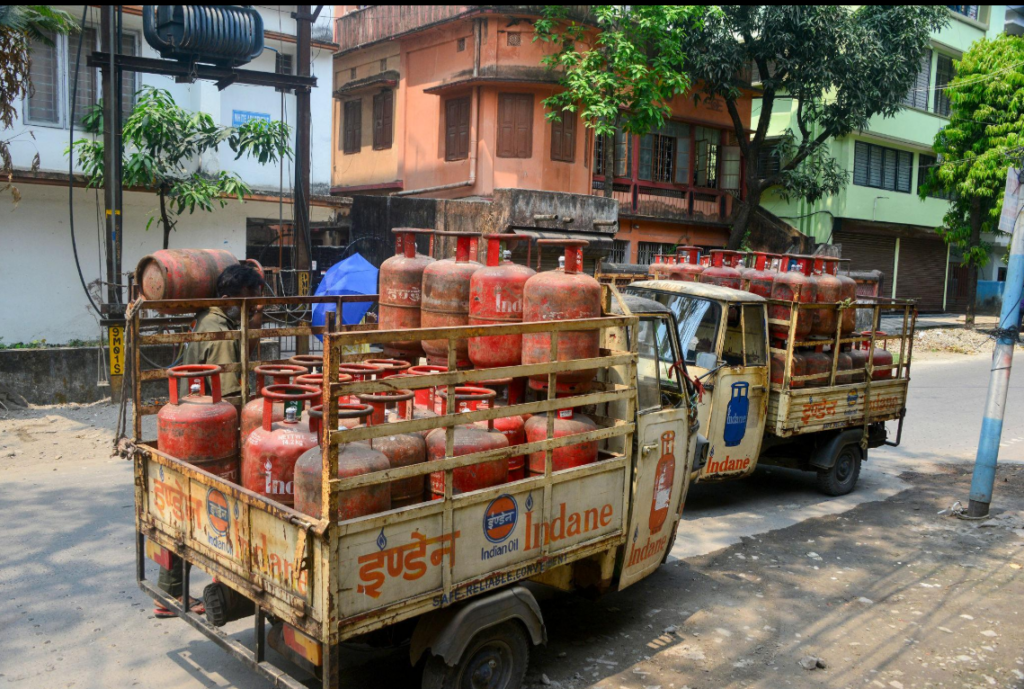
India’s gas situation is also becoming increasingly challenging in 2026. LNG imports have become more expensive, while global natural gas demand continues to rise.
Power plants, fertilizer industries, and steel manufacturing sectors heavily depend on affordable gas supplies. If LNG prices continue rising, production costs will automatically increase — and the burden will eventually reach consumers.
In smaller towns and semi-urban areas, LPG refill delays and higher booking costs are becoming more visible. PNG and CNG price fluctuations are also creating pressure for commuters and transport companies.
Earlier, energy discussions felt limited to industries and policymakers. Today, their impact is clearly visible in household kitchen budgets.
Energy security is no longer just an economic issue — it is becoming a matter of national stability.

Ordinary citizens are facing the biggest pressure from the energy crisis. Even though salaries remain mostly unchanged, monthly expenses continue to rise.
Office travel has become more expensive, grocery bills are increasing, and delivery charges are slowly going up. Many middle-class families are now avoiding weekend outings and unnecessary shopping just to balance their budgets.
Some families are even cutting down on long drives and vacations because of fuel expenses.
Farmers are also struggling as rising diesel prices increase irrigation and transportation costs. For local transport operators, expensive fuel is slowly becoming a survival challenge.
Young salaried professionals are facing additional stress as rising daily expenses combine with job market uncertainty.
A family that once managed savings comfortably is now feeling financial pressure because of fuel and food inflation.
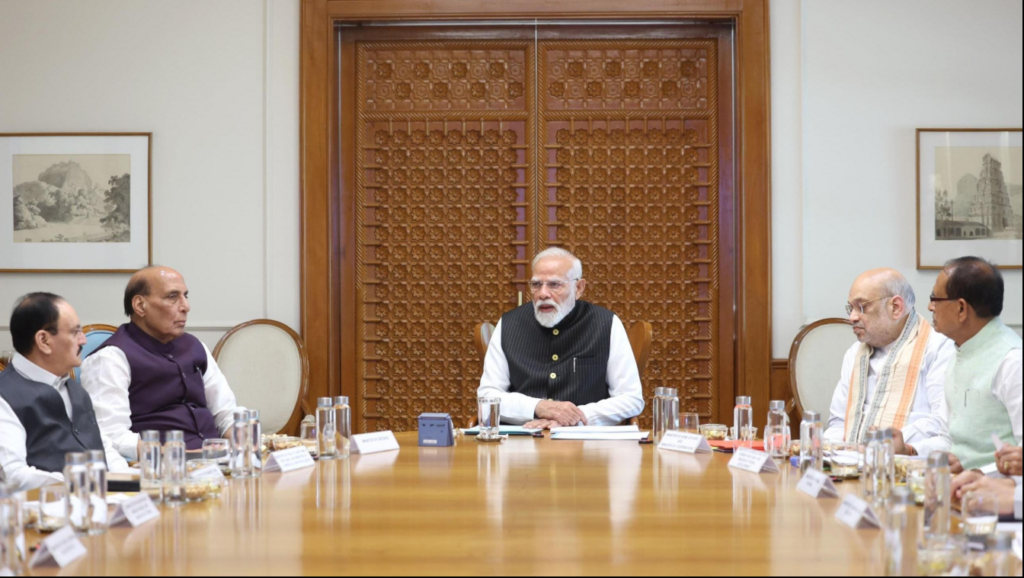
In this difficult situation, the Government of India and Narendra Modi are aggressively focusing on long-term fuel stability and self-reliant energy planning.
India has maintained emergency oil reserves to handle short-term supply disruptions. The government is also working to balance fuel taxes and strengthen domestic energy production.
At the same time, India’s renewable energy mission is expanding rapidly. Solar power, EV adoption, ethanol blending, and green hydrogen projects are being viewed as major solutions for reducing fuel dependency.
PM Modi has also encouraged citizens to adopt smarter energy habits. Using public transport, avoiding unnecessary travel, carpooling, and hybrid work models could become important fuel-saving strategies in the future.
The government has additionally raised concerns over excessive gold imports, which increase pressure on foreign exchange reserves.
This long-term energy strategy is considered an important pillar of the “Viksit Bharat 2047” vision.
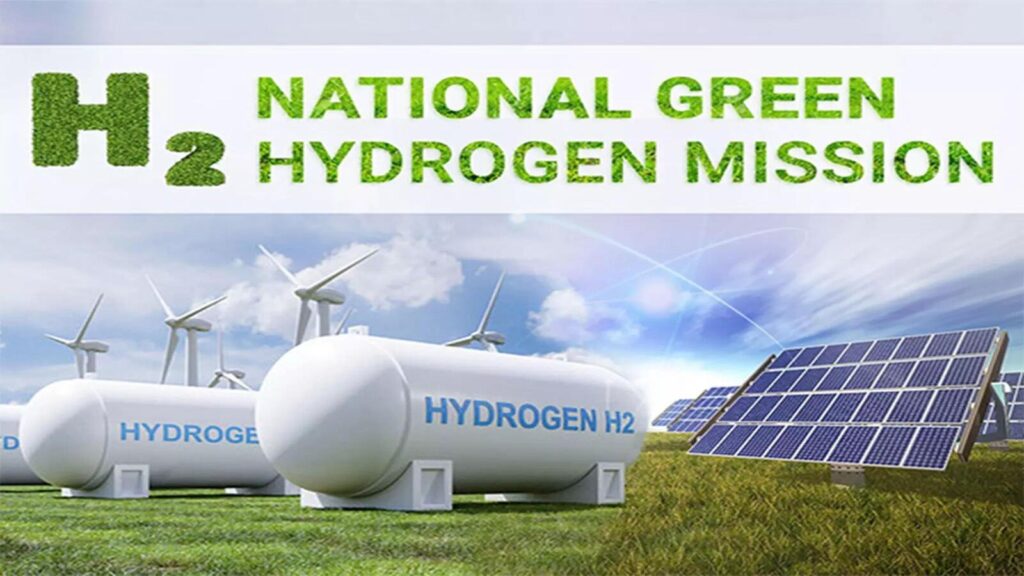
But amid the crisis, India is not focusing only on short-term survival. The country is also trying to build future energy systems.
India Energy Week 2026 clearly showed that India wants to move aggressively toward cleaner and smarter energy infrastructure.
The event’s themes, including “Energy for Progress” and “Future-Ready Energy Systems,” signaled India’s ambition to play a leadership role in the global clean energy transition.
India is rapidly expanding solar projects, battery storage technology, and electric mobility infrastructure. The government wants to create an energy system where the country depends less on imported fuel.
Smart grids, AI-based energy management systems, and green hydrogen projects are also becoming key parts of India’s long-term planning.
In the coming years, fuel may no longer be just a convenience — it could become a strategic source of power.

ADNOC Gas has been focusing on strengthening long-term LNG partnerships with India and supporting cleaner fuel transitions.
Stable LNG agreements and gas infrastructure expansion are becoming major support systems for India’s future fuel planning. These partnerships are especially important during periods of global supply uncertainty.
Experts believe India will need multiple international fuel partnerships to strengthen long-term energy security.
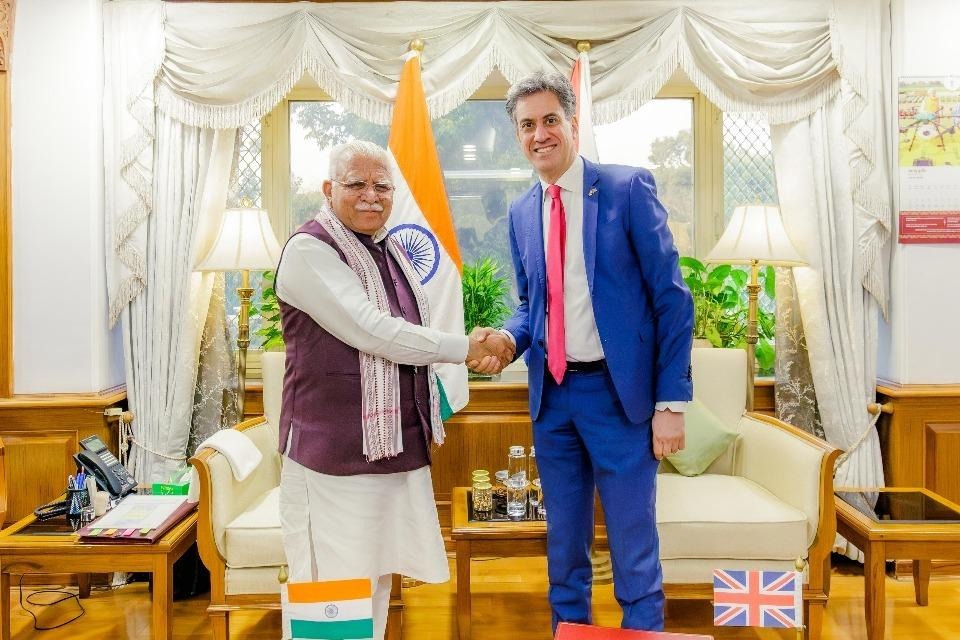
India is also strengthening major clean energy collaborations with the United Kingdom.
Renewable energy investment, offshore wind projects, hydrogen technology, and low-carbon infrastructure are becoming major focus areas of this partnership.
Today, global energy leadership is no longer decided only by oil production. Innovation and smart use of clean technology are equally important.
Oil India Limited is working on increasing domestic oil and gas production while also improving operational efficiency and sustainability.
AI-based digital oilfields, refinery modernization, and methane emission reduction initiatives could help reduce fuel wastage and improve production efficiency.
The simple reality is that India will eventually need to reduce its dependence on imported fuel.
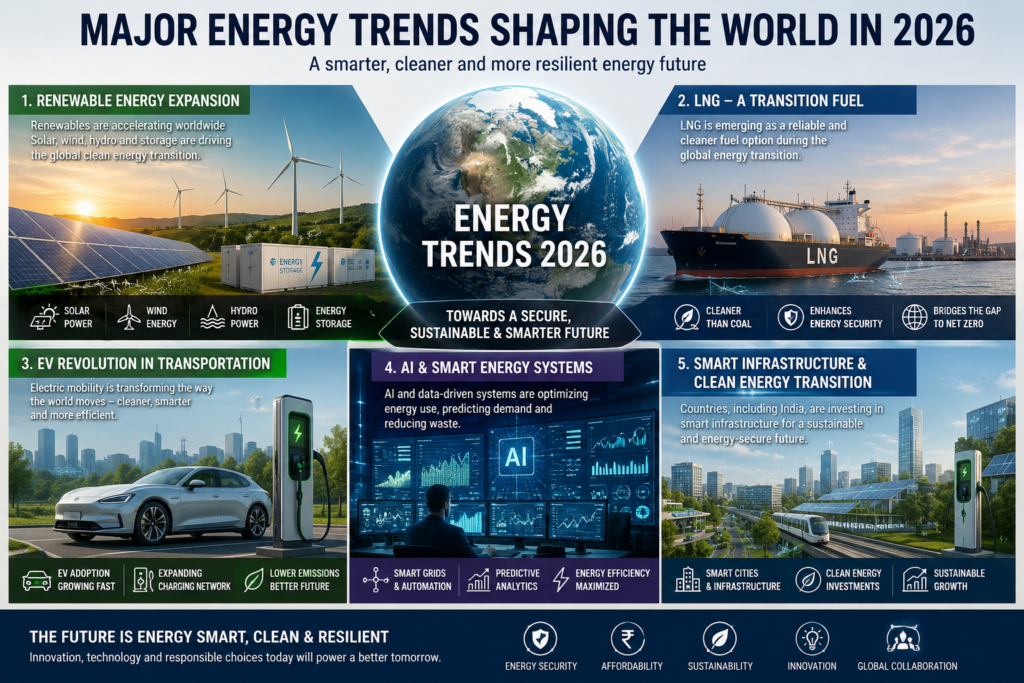
Today, countries are focusing more on energy stability and domestic fuel planning than pure globalization.
Renewable energy expansion is accelerating worldwide. LNG is emerging as a temporary cleaner fuel option, while the EV revolution is gradually transforming transportation.
AI is no longer limited to chatbots. Smart systems are now helping industries optimize power usage and reduce fuel wastage.
India is also moving toward smarter infrastructure as part of the global clean energy transition.
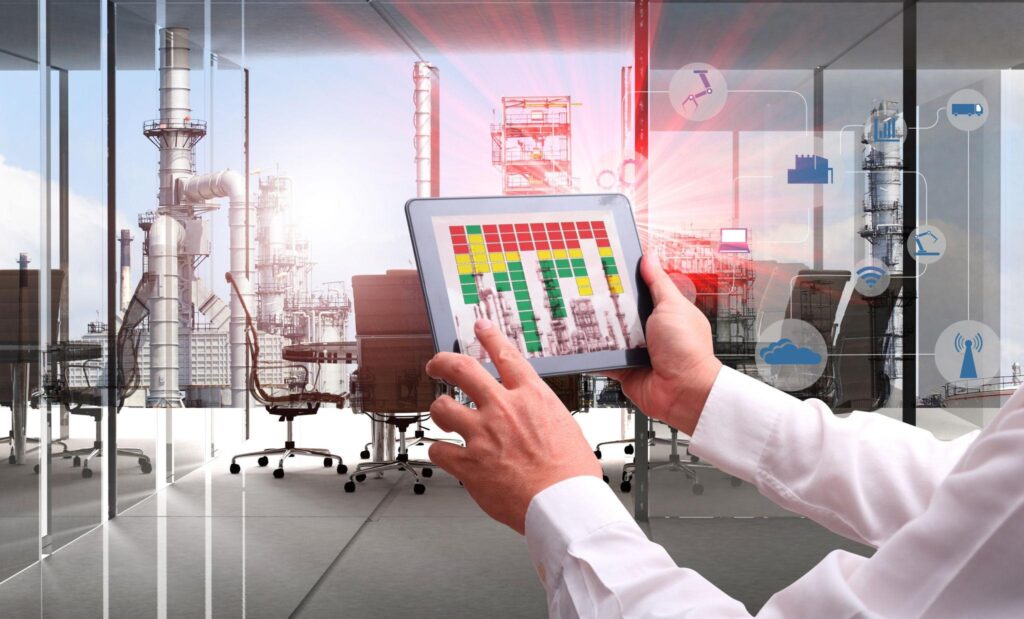
Experts believe India could achieve massive energy savings through refinery modernization and smarter industrial systems.
Advanced refinery technologies, waste heat recovery systems, and petrochemical integration could significantly reduce fuel wastage. Smart monitoring systems are also helping industries improve efficiency.
If India aggressively adopts industrial optimization and smart fuel management, the country could save billions of dollars in the long term.
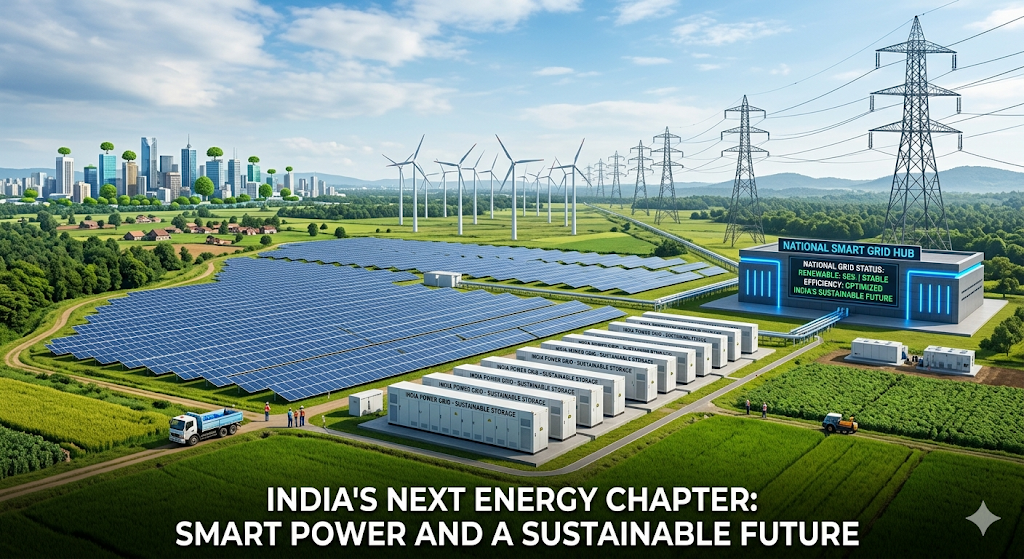
India’s next growth chapter will heavily depend on smart and sustainable power systems.
The government is rapidly expanding solar energy, battery storage, and electric mobility infrastructure to reduce the burden of imported fuel. Smart cities, energy-efficient homes, and electric public transport could become major growth drivers.
India is also investing heavily in EV manufacturing and renewable infrastructure. Experts believe that if India consistently expands clean technology usage, the country could become not only energy secure but also a global clean energy leader.
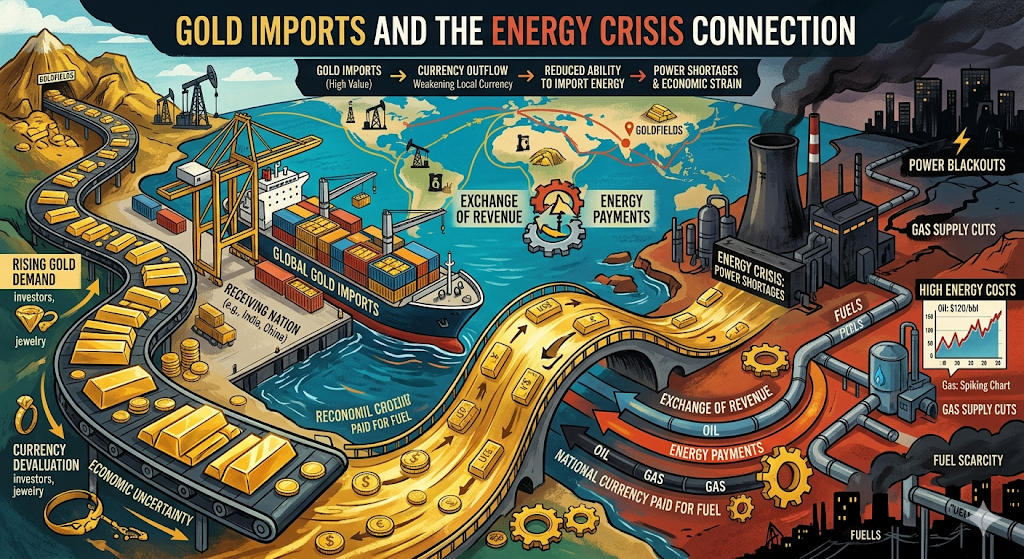
Rising gold imports are also creating pressure on India’s foreign exchange reserves during the energy crisis. India remains one of the world’s largest gold consumers, and excessive gold imports increase dollar outflow.
That is why PM Modi has encouraged citizens to reduce unnecessary gold purchases temporarily.
The government’s focus is not only on fuel savings but also on building smarter national spending habits.

Hybrid work and work-from-home culture could become important fuel-saving strategies in the future.
If large companies adopt hybrid work models, daily fuel consumption could noticeably decline. Traffic congestion would reduce, pollution control could improve, and employees would save on travel expenses.
In a highly populated country like India, even small fuel-saving habits can create a massive national impact.
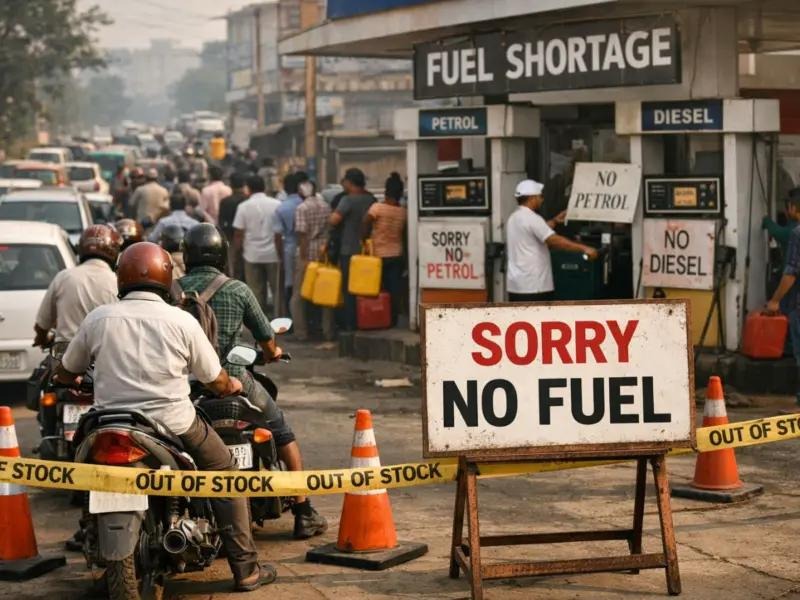
The 1973 Oil Shock, the 1979 Energy Crisis, and the Gulf War taught India the real risks of fuel dependence.
After every crisis, India developed stronger economic planning and better energy management systems. The 2026 energy crisis may also become both a warning and an opportunity.
This could be the moment when India moves aggressively toward smarter fuel planning and sustainable infrastructure.
The oil and gas crisis of 2026 is not just a temporary economic challenge for India — it could become a turning point for the country’s future planning.
If India aggressively focuses on renewable energy, domestic fuel production, EV technology, smart infrastructure, and responsible consumption habits, the impact of future global energy shocks could be significantly reduced.
Along with government policies, citizens will also need to make smarter choices. Using public transport, reducing fuel wastage, and adopting clean energy solutions could make India stronger in the long run.
Perhaps the 2026 energy crisis is not just an economic problem, but a national wake-up call.
The energy decisions made today will decide whether India remains dependent on imported fuel by 2047 — or emerges as one of the world’s leading clean energy powers. visit now-:https://www.evventoz.com/