Physical Address
304 North Cardinal St.
Dorchester Center, MA 02124
Physical Address
304 North Cardinal St.
Dorchester Center, MA 02124

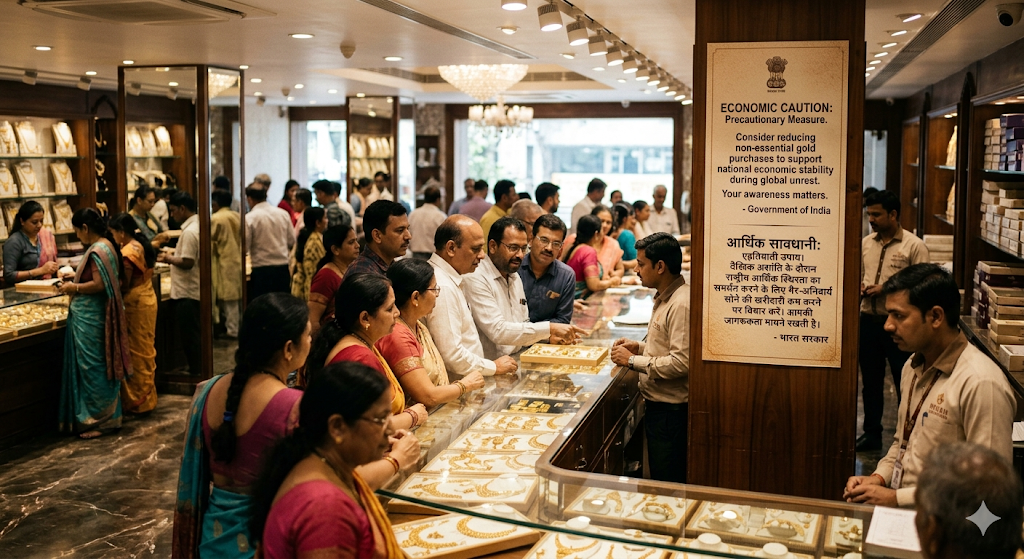
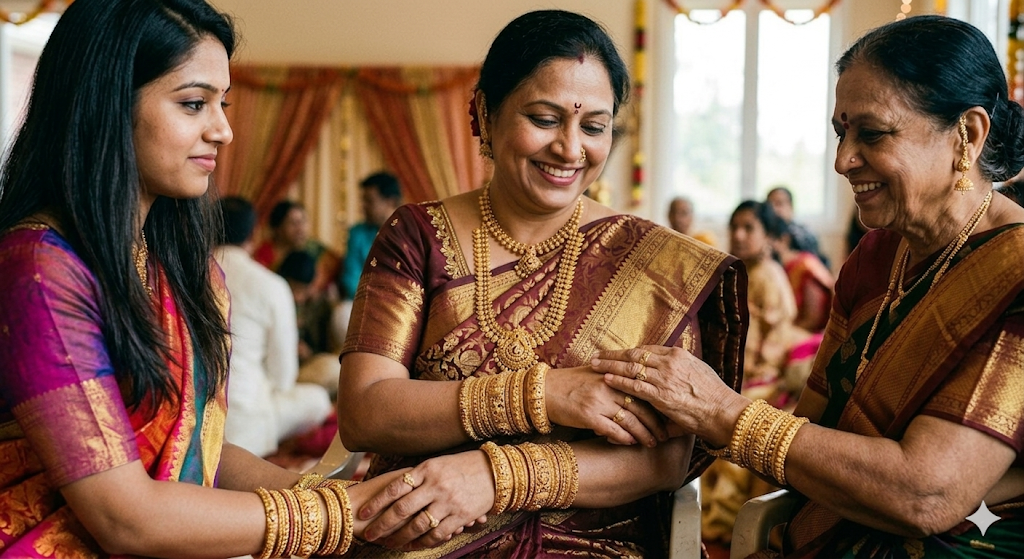
India’s relationship with gold goes far beyond buying and selling. It is tied to emotion, tradition, family pride, and financial security. So when Prime Minister Narendra Modi appealed on May 10, 2026, for citizens to avoid buying gold for one year, the statement quickly became more than just an economic message.
the statement quickly became more than an economic message — it turned into an emotional national conversation. In a time of global uncertainty and import pressure, the appeal felt to some like a call for sacrifice and to others like a question of personal financial choice.
The appeal came at a time when rising crude oil prices, global tensions, and import pressure were increasing concerns around India’s foreign exchange reserves and the value of the rupee.
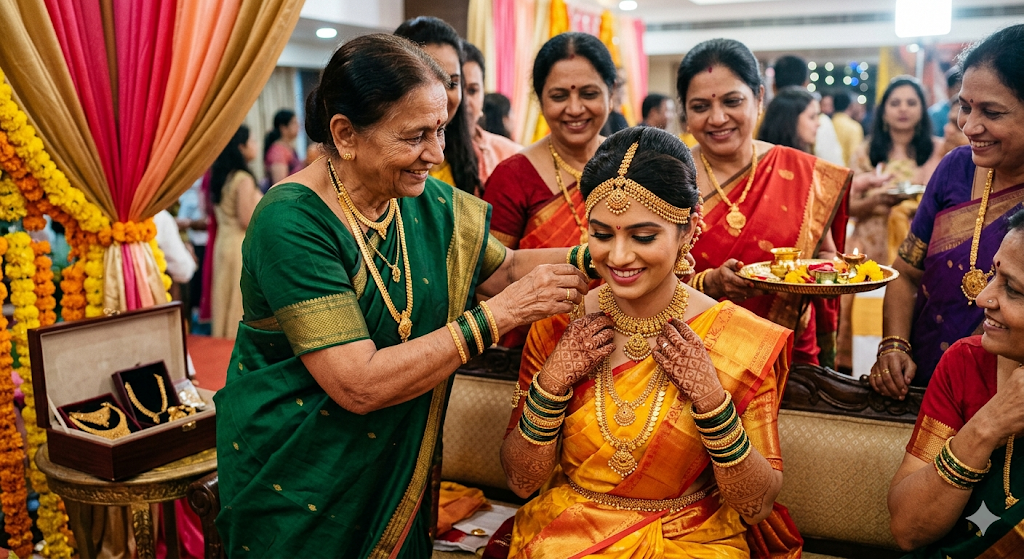
In India, gold is not just jewellery. It is closely connected to weddings, festivals, family savings, and emergency security. In many homes, gold is seen as a form of future protection and something that can be passed down from one generation to the next.
That is why any appeal to reduce gold buying touches people so deeply. For many families, especially mothers and older generations, gold is not only an investment but also a symbol of stability, security, and tradition. This emotional bond is what makes the discussion so powerful.
Recent global tensions, especially unrest in West Asia, have made oil prices, import costs, trade routes, and currency pressure more sensitive. For a country like India, where both crude oil and gold are major imports, the idea of temporarily reducing non-essential imports is being viewed as a form of economic caution.
The government has presented this appeal not as a restriction, but as a precautionary measure.India is one of the world’s largest gold importers, and most gold purchases are paid for in US dollars. During periods of high crude oil prices and global uncertainty, large gold imports can increase pressure on foreign exchange reserves and the rupee.
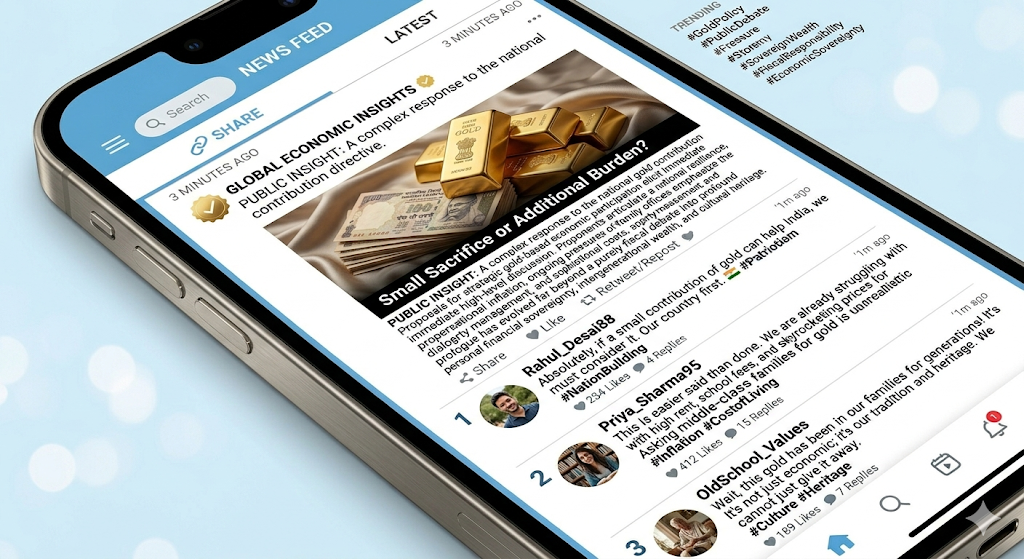
The response on social media was immediate and mixed. Some people said that if a small personal sacrifice can help the country, then it is worth considering. Others pointed out that middle-class families are already under pressure from inflation, education costs, rent, and daily living expenses.
Because of this, the topic became more than just an economic issue. It turned into a debate about patriotism, personal freedom, financial stress, and tradition.Online reactions were sharply divided. While some people supported the appeal as a temporary national sacrifice, others argued that gold remains one of the most trusted savings options for middle-class families.
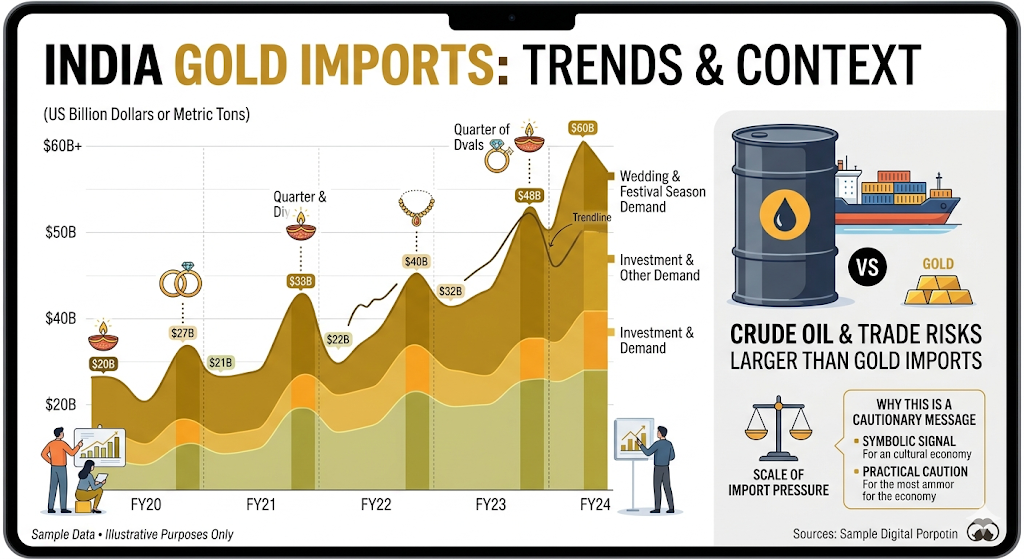
A slowdown in gold buying could affect the jewellery industry, retailers, and seasonal demand. This becomes especially noticeable during the wedding season, since a large part of India’s gold demand is linked to weddings and festivals.
At the same time, one important reality remains: a one-year pause alone cannot solve the entire economy. Reducing gold import pressure may help, but the scale of crude oil and broader trade risks is much larger. That is why this appeal is better seen as both a symbolic message and a practical caution.
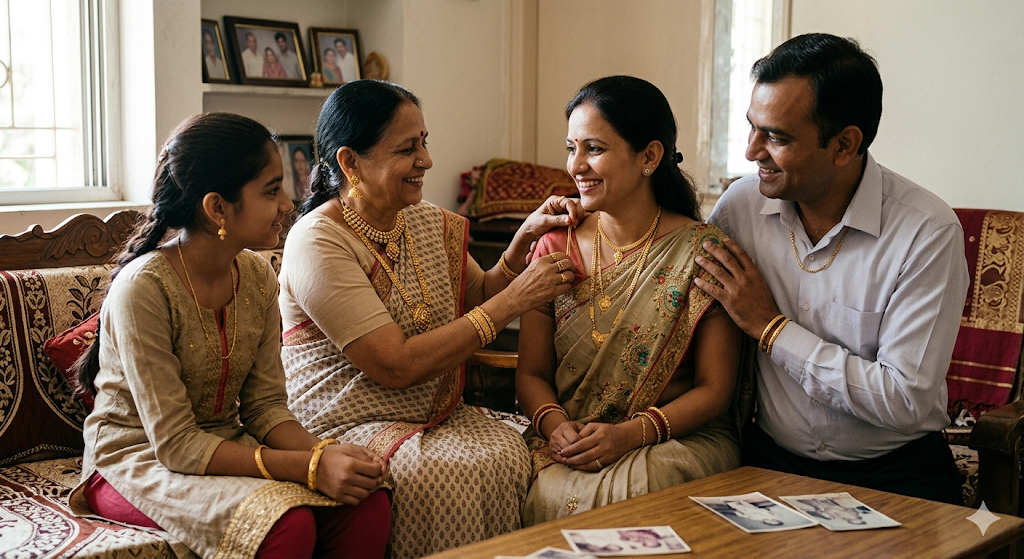
This issue feels so sensitive because gold in India means more than wealth. It is part of memory, family identity, and long-term trust. Families do not see gold only as an asset, but also as safety, respect, and something valuable to pass on to the next generation.
When a leader asks people to temporarily avoid such an important asset, many see it not just as an economic suggestion but as something that affects their lifestyle and values. That is why some people view it as a patriotic sacrifice, while others feel it puts emotional pressure on the middle class. Both reactions are genuine, and that balance is what makes the debate so strong.
Prime Minister Modi’s appeal to avoid buying gold should not be seen as a simple call to stop spending. It reflects a broader message of restraint, awareness, and national responsibility during a difficult global phase. While the appeal may not change the economy overnight, it has clearly started a deeper conversation about sacrifice, priorities, and collective support.
At the same time, gold in India is not just a financial asset — it is closely tied to emotion, tradition, and family security. That is why this debate feels so personal to so many people. In the end, this debate is not only about reducing gold purchases, but also about how India balances economic responsibility with deeply rooted cultural traditions.
Stay connected with Evventoz for more updates that matter.